Service area

Monmouth County towns where radon testing should be specific.

NJDEP town tiers are useful priority signals, not home results. Every radon decision still starts with a properly placed test, the actual pCi/L result, and the next proof needed after mitigation.

Freehold

Freehold combines older borough housing, larger township homes, basements, and active real-estate turnover. A radon result can become a contract decision quickly.

NJDEP 2015 data lists Freehold Township as Tier 1, high radon potential; verify municipality-specific details for Freehold Borough if the address distinction matters.

Use the home test result, not the county reputation, to decide next steps. Verify NJDEP certification before hiring testing or mitigation work.
Middletown

Middletown has varied housing, finished lower levels, and enough local radon signal that testing is still the practical answer for each home.

NJDEP 2015 data lists Middletown Township as Tier 2, moderate radon potential.

A Tier 2 label does not clear an individual house. Basement use, foundation details, and test conditions matter.

Marlboro

Marlboro buyers and sellers often need clear radon next steps during inspection windows, especially when a short-term result is near or above 4.0 pCi/L.

NJDEP 2015 data designates Marlboro Township as Tier 1 based on the permanent Tier 1 rules noted in the report.

For real-estate testing, confirm test placement, closed-house conditions, and reporting requirements with the certified tester.

Holmdel

Holmdel homes often have substantial basements, finished lower levels, and sale prices that make radon documentation worth handling cleanly.

NJDEP 2015 data lists Holmdel Township as Tier 1, high radon potential.

When mitigation is needed, the design should match the foundation and be followed by post-mitigation testing.

Colts Neck

Colts Neck properties can have larger footprints, mixed foundation areas, and lower-level spaces where a single short-term result should be handled carefully.

NJDEP 2015 data lists Colts Neck Township as Tier 1, high radon potential.

Large or complex homes may need thoughtful test placement and mitigation planning rather than a one-size quote.

Manalapan

Manalapan homeowners often meet radon through inspection reports, basement projects, or a first test before finishing lower-level space.

NJDEP 2015 data lists Manalapan Township as Tier 2, moderate radon potential.

If a result is 4.0 pCi/L or higher, EPA and NJDEP guidance points toward mitigation planning.

Red Bank

Red Bank has older homes, renovations, rentals, and real-estate timelines where radon testing needs to be documented without drama.

NJDEP 2015 data lists Red Bank Borough as Tier 2, moderate radon potential.

For attached, multifamily, or rental situations, ask the certified provider how the test location and building type affect interpretation.

Wall

Wall Township buyers and homeowners may be dealing with crawlspaces, slabs, basements, or additions that change how mitigation is planned.

NJDEP 2015 data lists Wall Township as Tier 2, moderate radon potential.

Foundation type matters. Ask how the proposed mitigation system addresses each area that contacts soil.

Tinton Falls

Tinton Falls has condos, townhomes, single-family homes, and basement or slab conditions that can make test placement questions important.

NJDEP 2015 data lists Tinton Falls Borough as Tier 2, moderate radon potential.

HOA or attached-housing rules may affect mitigation routing, fan placement, and exterior piping decisions.

Little Silver

Little Silver homes can face radon questions during sales, renovations, or finished-basement use. A documented test result is better than assuming coastal location removes risk.

NJDEP 2015 data lists Little Silver Borough as Tier 1, high radon potential.

NJDEP recommends testing all homes regardless of tier. Treat the tier as a reason to prioritize testing, not as a home result.

Town-specific guidance

Useful Monmouth radon examples.

These pages are intentionally limited to town and service combinations where the local radon decision is clearer than a generic county page.

Focused sprint targets

Pages most likely to move first.

Week 1 Search Console data shows broad mitigation visibility with weak position, plus early movement on high-result and Marlboro mitigation pages. These links now prioritize pages that can answer foundation, quote, and post-test proof questions before adding more town coverage.

Services

Start with the decision, not the town list.

Use the town pages when location changes the decision. Use the service pages when the homeowner mainly needs testing, high-result interpretation, mitigation planning, cost context, or post-mitigation proof.

Local texture

Monmouth is specific. The testing decision should be too.

These images are here for place, not proof. Radon decisions still come from the address, the test placement, and the measured result.

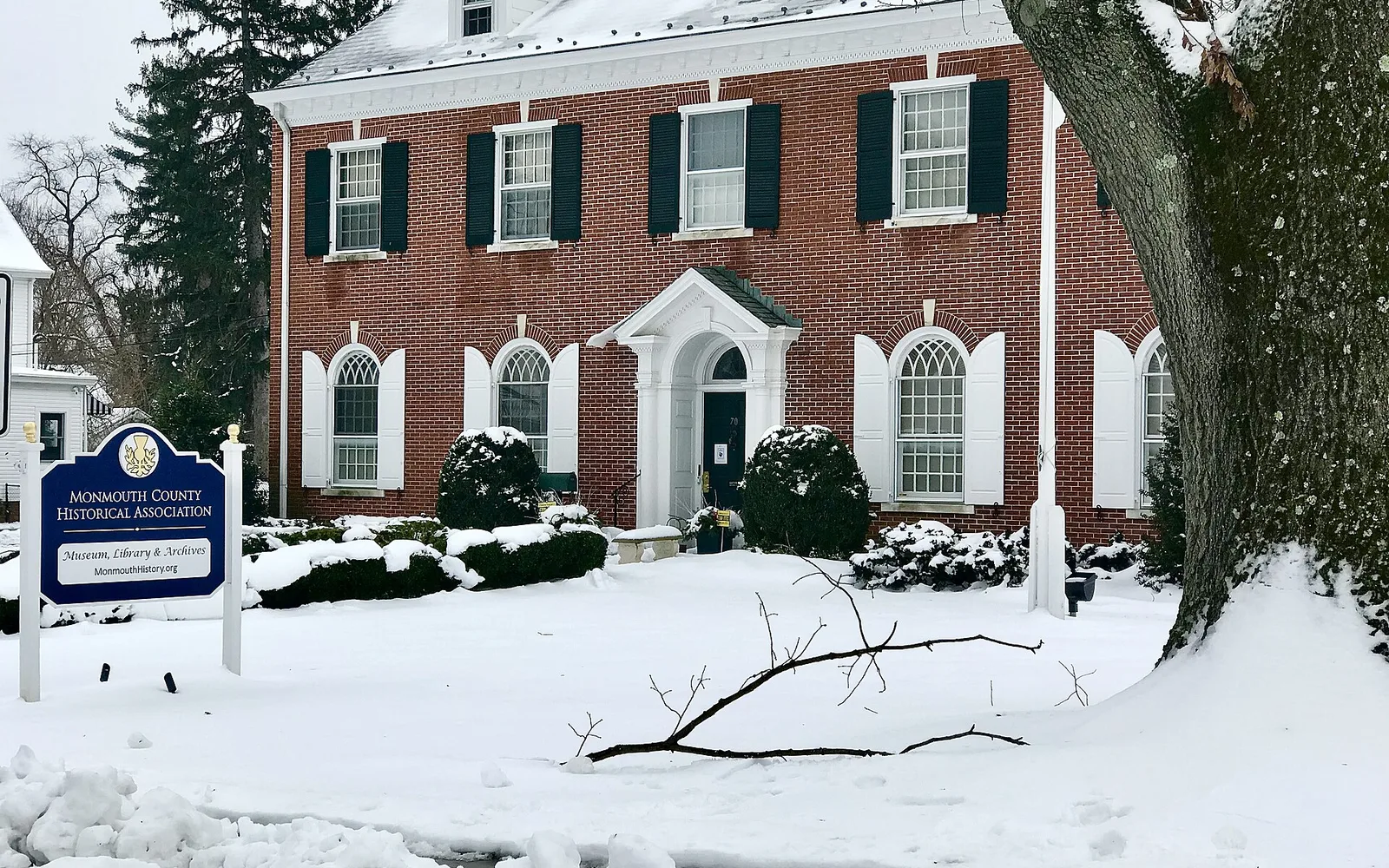
Monmouth County Historical Association building in Freehold, New Jersey.
Freehold Freehold county context, close to Monmouth records, closings, and inspection deadlines. Photo: Monmouth County Historical Association by Freeholdman12, CC BY-SA 4.0.
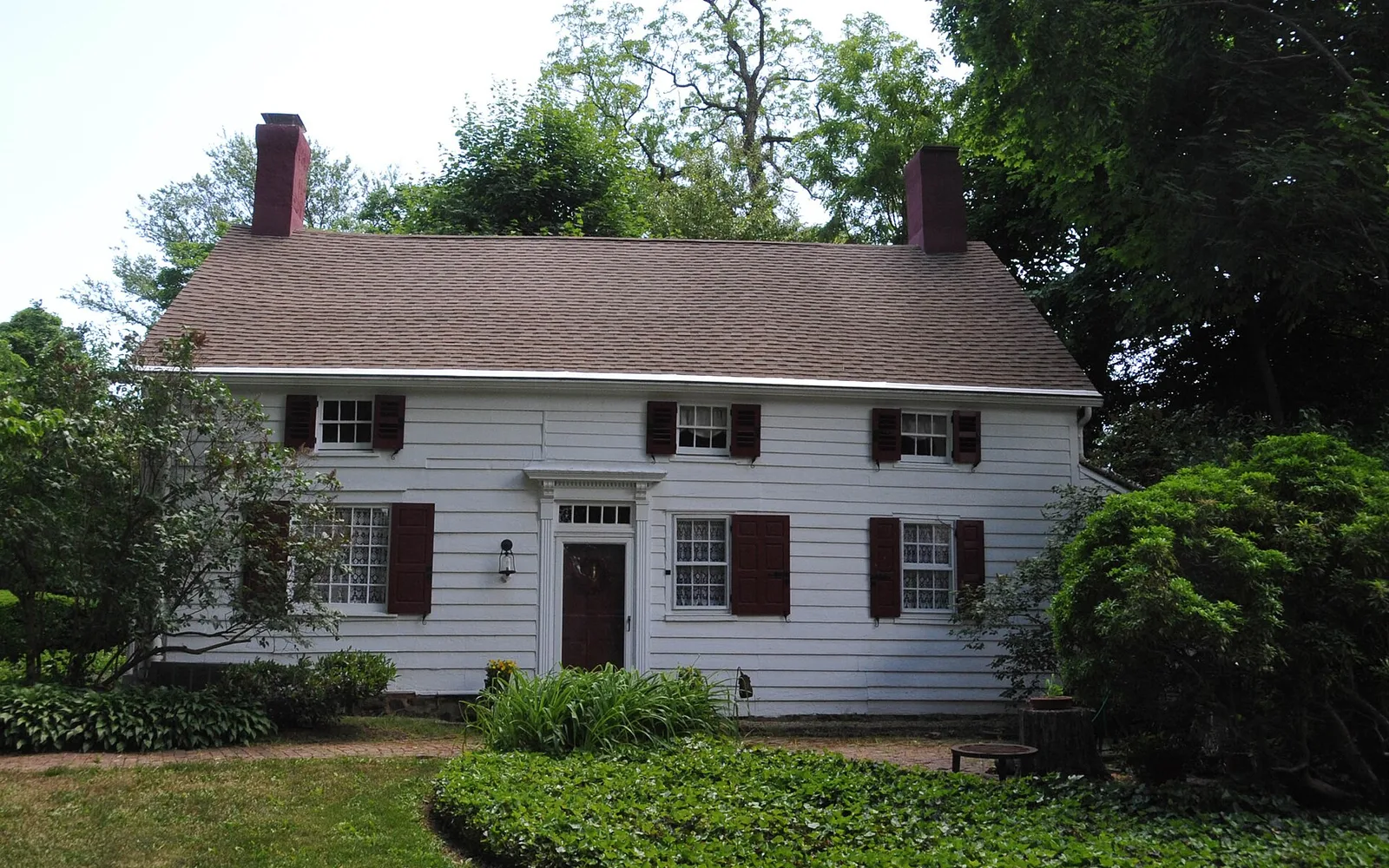
Historic Robert White House in Red Bank, Monmouth County, New Jersey.
Red Bank Older homes and finished lower levels make radon testing a practical local step. Photo: Robert White House, Red Bank, Monmouth County, NJ by KLOTZ, CC BY-SA 4.0.
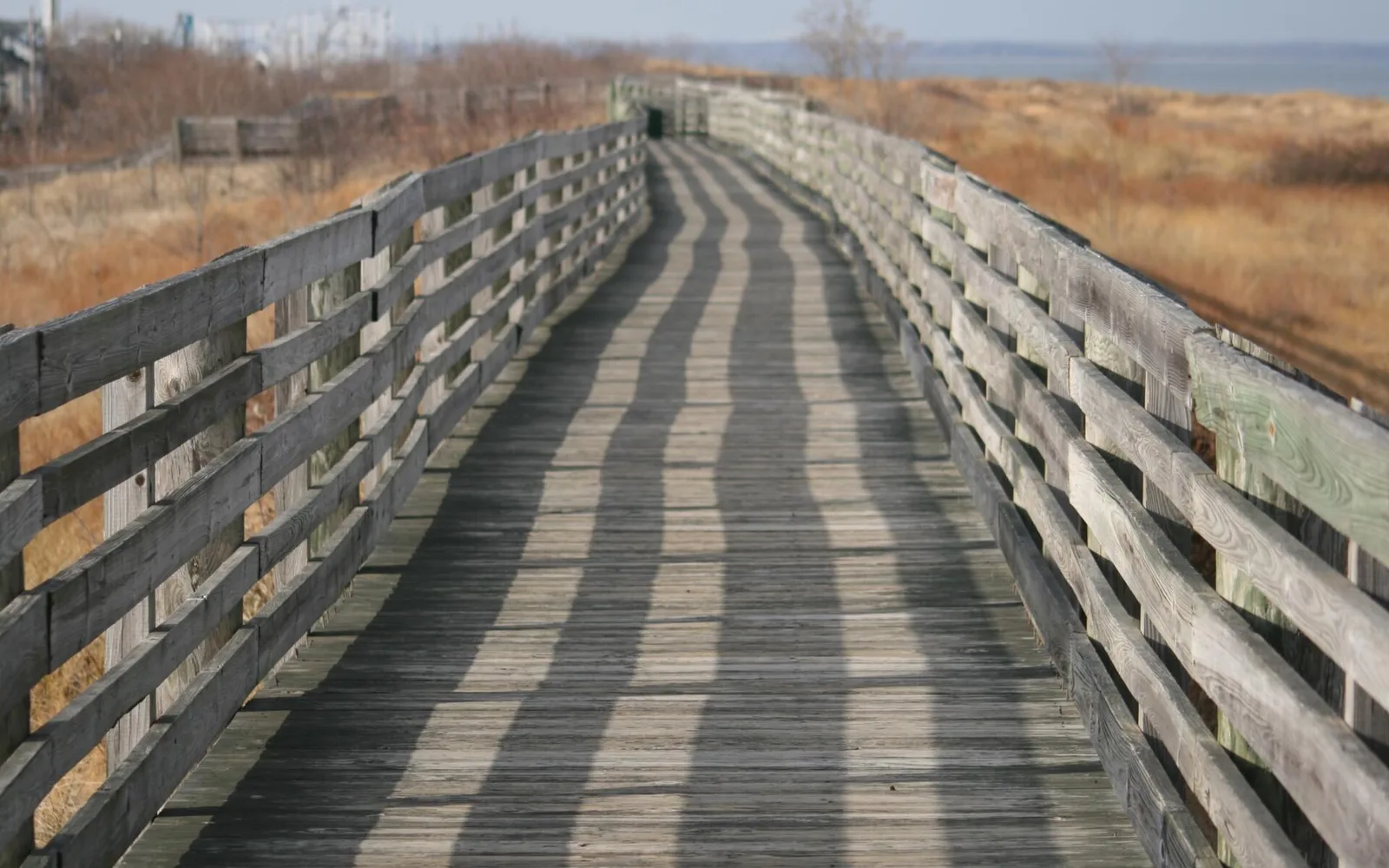
Keansburg waterfront in Monmouth County, New Jersey.
Keansburg Coastal towns still need address-specific testing. County reputation is not a home result. Photo: Keansburg, New Jersey by Stinkie Pinkie, CC BY 2.0.

Clear next step

Request Monmouth County radon testing or mitigation routing.

Use this for first tests, real-estate deadlines, 4.0+ pCi/L results, mitigation planning, and post-mitigation retests.

Requests are routed only where an appropriate NJ-certified provider is available.

Call (848) 343-2085
(848) 343-2085 Call now